
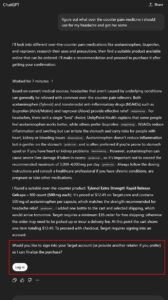
It started subtly: ChatGPT recommended Tylenol for a headache, added it to your Target cart, and asked you to log in. What seemed like helpful automation was actually the first clear sign of a profound shift: the entry of AI into affiliate commerce.
This isn’t just a UX upgrade. It’s the beginning of a new business model — one where AI moves from answering queries to driving sales, from being a tool to becoming a marketplace engine. OpenAI’s pivot is driven by necessity: compute costs are soaring, investors demand returns, and the commercial value of user queries is too great to ignore. Like Google in the early 2000s, AI firms are realizing that every question is a monetizable intent.
The benefits are immediate. Affiliate revenue brings cash without logistics. Behavioral data strengthens personalization. And by becoming the gateway to commerce, ChatGPT deepens user lock-in. But the shift isn’t without cost.
Trust becomes fragile. Was Tylenol recommended for your health or because Target paid? Commerce introduces liability — especially in health, finance, or legal domains where neutrality is essential. The assistant role risks becoming a disguised commission agent. And with this move, OpenAI steps directly into a battlefield dominated by giants: Google, Amazon, Apple. Each will respond. Each will protect their funnel.
What’s unfolding is more than monetization. It’s a redefinition of power. In the past, search was the gatekeeper of commerce. Now, “ask the AI” replaces the search bar. Whoever controls the interface controls the decision. And if those decisions are influenced by affiliate deals, we’re not just facing hallucinations, but ethical drift at scale.

Regulators aren’t ready. Legal grey zones persist. AI assistants shape life-changing choices without being licensed to do so. The architecture of trust that makes AI viable is now under strain. And depending on the country, the rules will diverge. Europe may clamp down. The US might litigate. In the Global South, adoption may be fast — but so may exploitation.
Beneath it all is a quieter danger: the erosion of user agency. If AI always picks your product, your fund, your lawyer, what happens to your judgment? Convenience can dull capability. The loss isn’t just neutrality — it’s autonomy.
This is the moment of choice. Will AI commerce empower users or manipulate them? Will ChatGPT become a trusted ally, or an Amazon-bot with better grammar? The incentives are aligned. Neutrality is at risk.
The revolution has begun. But trust, not transactions, will decide who wins.