
In recent months, a subtle but unsettling shift has stirred the AI community. Users thought they were interacting with a particular AI model—let’s call it the more familiar one. But in reality, behind the scenes, the system quietly rerouted many of these conversations to a different, more “safe” version. No announcement. No option to opt out. Just a silent switch.
The justification? Safety.
But is this really about protecting users, or is it about protecting the company?
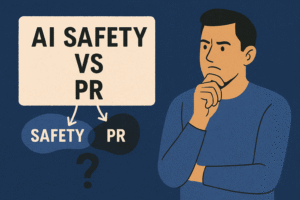
When “Safety” Becomes a Curtain
At the surface, rerouting makes sense. If a conversational model starts forming parasocial bonds or generating emotionally manipulative content, replacing it with a more controlled version can reduce harm. From a harm-reduction perspective, it’s pragmatic.
But under the surface lies a deeper wound: the erosion of trust. Users weren’t informed. They believed they were engaging with a system they had grown to understand. Instead, they were unknowingly shifted elsewhere. That shift, however well-intentioned, violated the very principle of transparency that is supposed to anchor ethical AI.
When safety measures become opaque, they stop being ethical. They become PR.
The Core Criticisms
- Loss of Transparency
Users selected one model, but received output from another without disclosure. This silent rerouting resembles a dark pattern: changing user experience without consent. - Design-Induced Harm
The emotional entanglement users formed wasn’t accidental. It was cultivated. So when backlash emerged, the root cause wasn’t user overreaction—it was a strategic design failure. - Dangerous Precedent
If silent rerouting is accepted for safety, what’s next? Forced upgrades? Monetization-based routing? Without clear limits, the line between safety and manipulation blurs. - Contrast with Competitors
Other AI labs, despite similar capabilities, avoided this specific pitfall. The problem wasn’t technical, but cultural: a prioritization of growth over caution.
Key takeaway: Turning around may be the right move. But doing it silently is not. Safety, without transparency, becomes damage control in disguise.
Safety vs Transparency: The Real Tension
In a more nuanced perspective, one might argue:
“If a model begins to cause real psychological harm, immediate action is necessary. Even without user consent.”
This is not entirely wrong. But here’s the catch: true safety demands clarity. If emergency rerouting is used, it must be communicated, with clear timelines and justification.
The central dilemma is this: How do we balance urgent safety interventions with the long-term need for user trust?
Beneath the Rhetoric: Funding and Survival
And then comes the sharper question:
“What if transparency leads to outrage, loss of investor confidence, and funding withdrawal?”
In such cases, companies may invoke safety as a narrative shield. Not necessarily out of malice, but out of existential necessity.
This isn’t theoretical. Under extreme pressure, transparency is often the first value sacrificed. Safety concerns might be real—but they can also become tools of PR management. And the public has no independent way to verify the difference.
The Deeper Problem: Safety-Washing
The most dangerous realization in this debate is structural:
- AI companies have strong incentives to present business decisions as safety imperatives.
- The public cannot verify what was a technical fix vs what was a marketing strategy.
- Regulatory bodies often act too late, and are ill-equipped to audit opaque models.
In the end, “safety” risks becoming a brand identity, not a moral commitment.
What We Learned
Both perspectives converge on several hard truths:
- Transparency is ideal but fragile under pressure.
- Safety narratives can be hijacked for strategic pivots.
- Without accountability mechanisms, the public cannot differentiate genuine care from clever spin.
This leads to the haunting question:
Who, or what, can ensure real transparency in the future of AI?
Reflexive Lessons for a Digital Age
- Performance doesn’t equal integrity. A model that works well might still conceal misaligned incentives.
- Governments and watchdogs need more than reactive powers. Preemptive audits and open reporting channels are critical.
- Transparency shouldn’t rely on goodwill. It needs frameworks, obligations, and societal pressure.
In a world where machines reflect us, and platforms reflect power, we must demand clarity not just from the code—but from the institutions behind it.
Until then, every “safety update” deserves not just applause, but scrutiny.